A toy for every parsha
צַעֲצוּעַ לְכָל פָּרָשָׁה, עַל פִּי שַׁדַ״ל
Shmuel David Luzzatto (Shadal, 1800–1865) wrote a commentary on the Torah that keeps asking what the words plainly mean: what a word is, what the verse pictures, why the Torah says it this way. Each toy here takes one of those comments, one per parsha, and turns it into something you can hold. The firmament is a beaten plate holding up the upper waters. The fire in the thorn bush leaps between the thorns without catching them. The Urim and Tumim are twenty-two letter tiles, from alef (“ur”) to tav (“tam”).
Like the Ten Plagues, each toy stands on a 40 mm stage with the parsha’s name sunk into the top and its number under it, and prints on a Bambu A1 mini with no supports. Flat figures stand in slots, round pieces sit on pegs, and a few parts join with little pins.
54 toys · 393 pieces in all · about 334 g of PLA for the whole Torah.
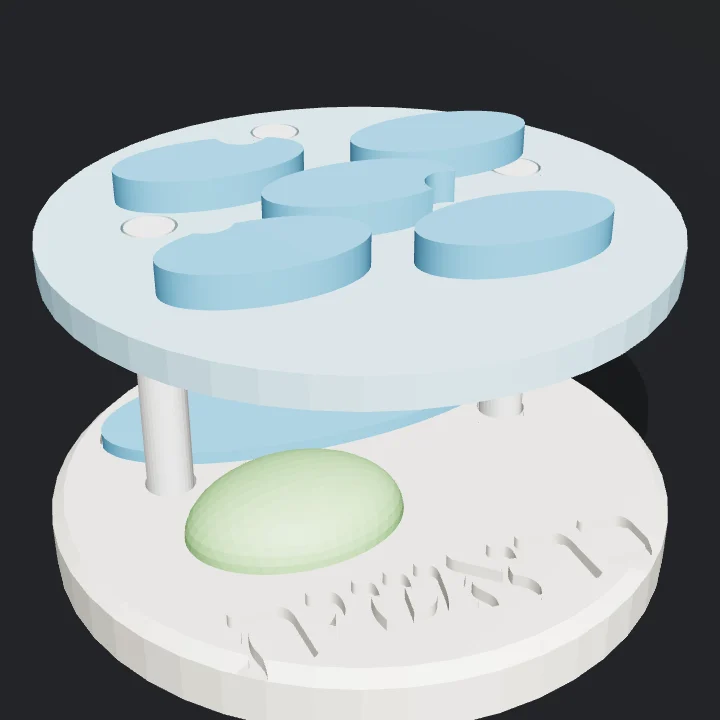
Drag to orbit, scroll to zoom. Slide to see how the pieces go together.
Bereshit בראשית
א בְּרֵאשִׁית Bereshit · 1:6 The firmament is pictured as a beaten sheet holding up the upper waters  ב נֹחַ Noach · 9:13 The rainbow is natural; the Torah turns it from a pagan omen into a sign of peace
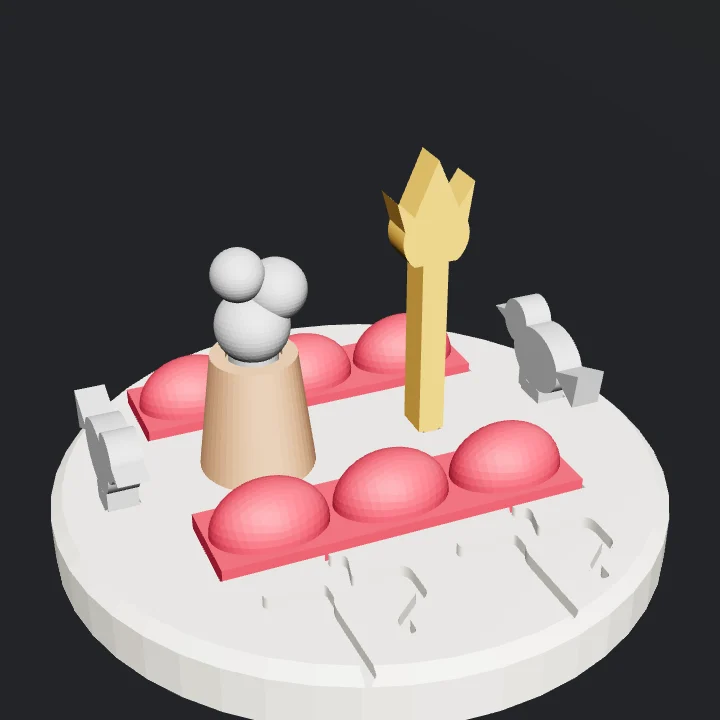 ג לֶךְ לְךָ Lech Lecha · 15:17 God passes between the pieces, seen as smoke like an oven’s and fire like a torch’s
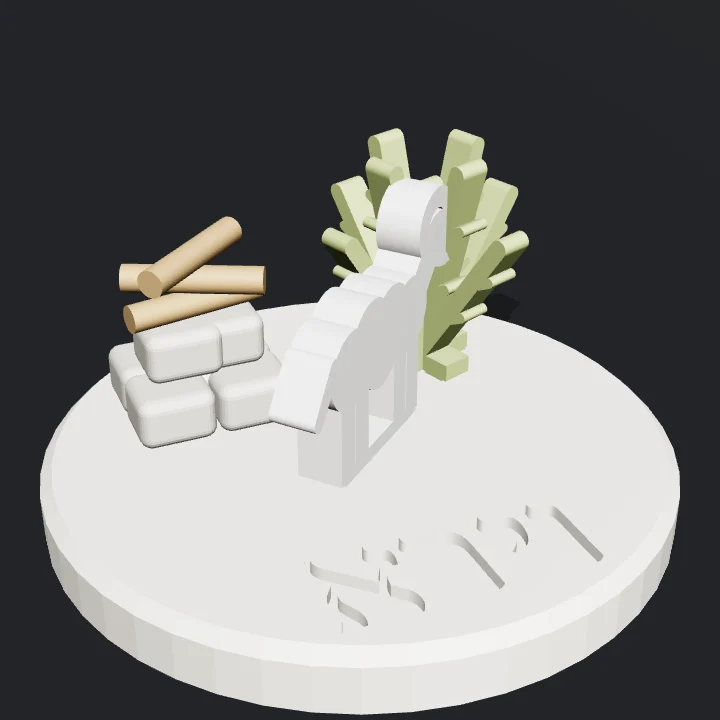 ד וַיֵּרָא Vayera · 22:13 Avraham sees the ram first, and only afterwards it is caught in the thicket
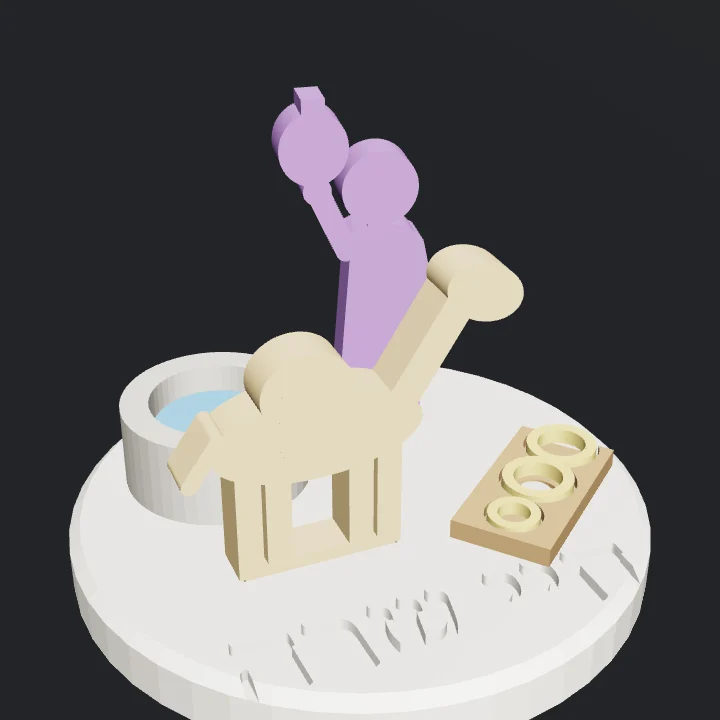 ה חַיֵּי שָׂרָה Chayei Sarah · 24:22 A nose ring and two bracelets, given while he asked her name
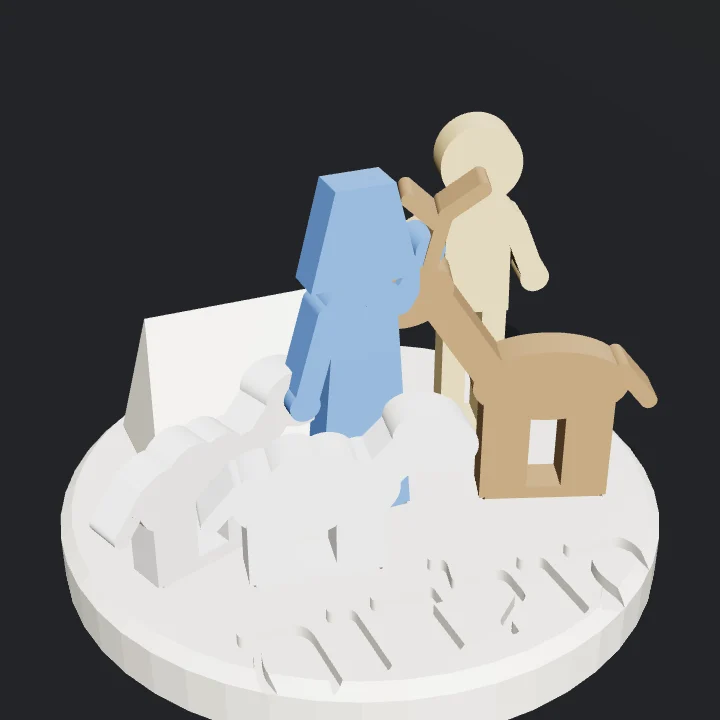 ו תּוֹלְדֹת Toldot · 25:27 “Dwelling in tents” means a shepherd, as against a hunter whose whole trade is trickery
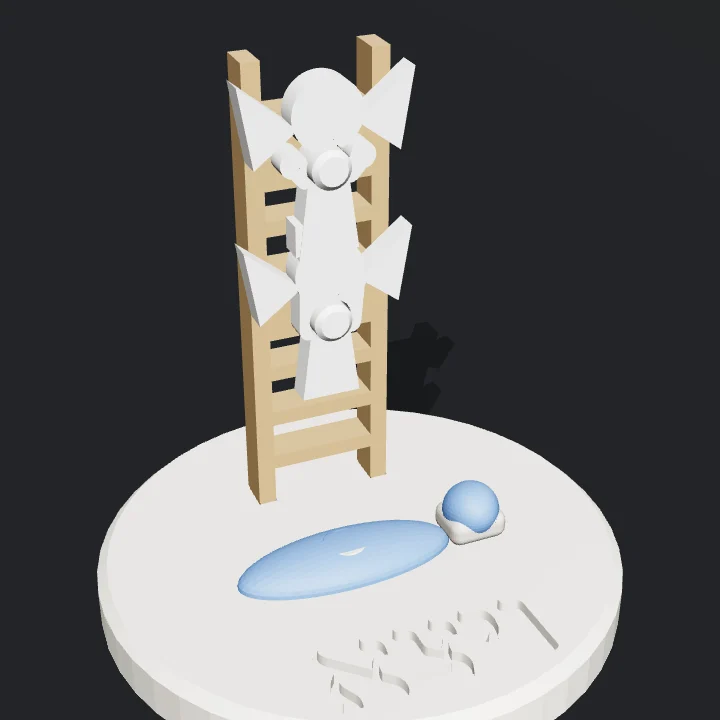 ז וַיֵּצֵא Vayetze · 28:12 The angels carry prayers up and bring the answers down: the gate of heaven
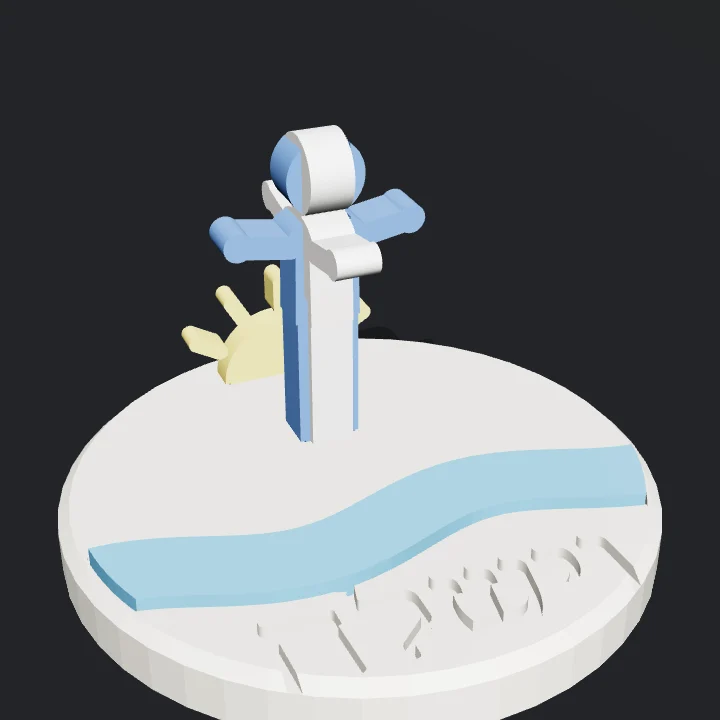 ח וַיִּשְׁלַח Vayishlach · 32:25 Vaye’avek means “embraced”: a wrestle for honour, like athletes, not to harm
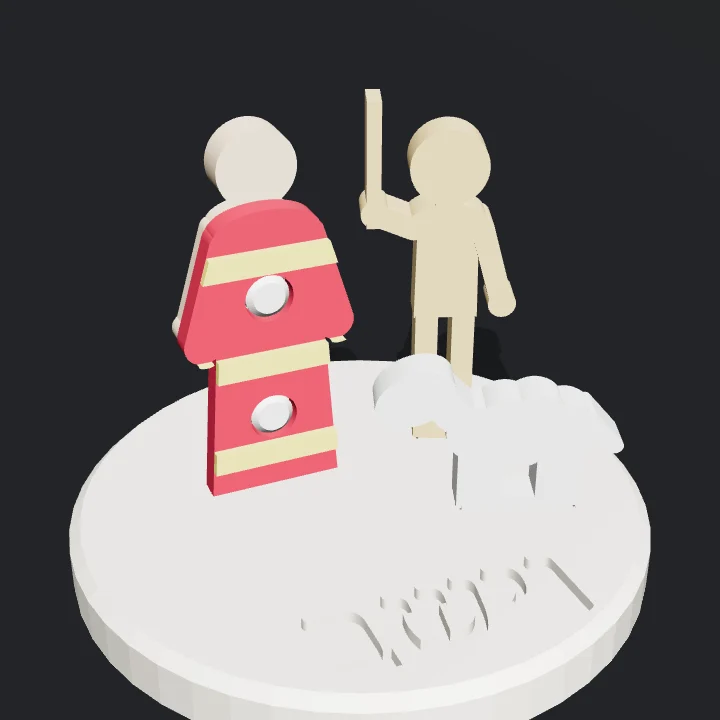 ט וַיֵּשֶׁב Vayeshev · 37:3 A coat down to the palms and the soles: long clothes mean you don’t do work
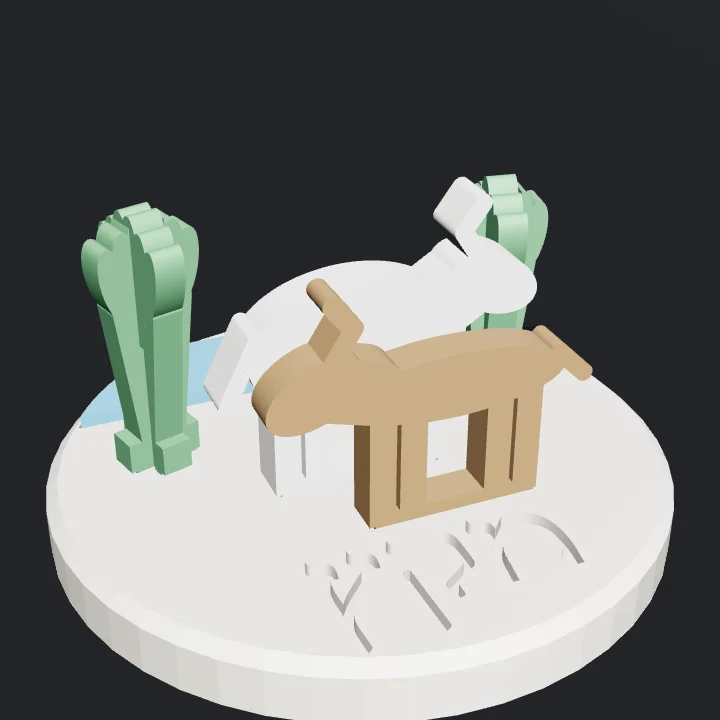 י מִקֵּץ Miketz · 41:2 Achu is an Egyptian word: the grass that grows in the marsh
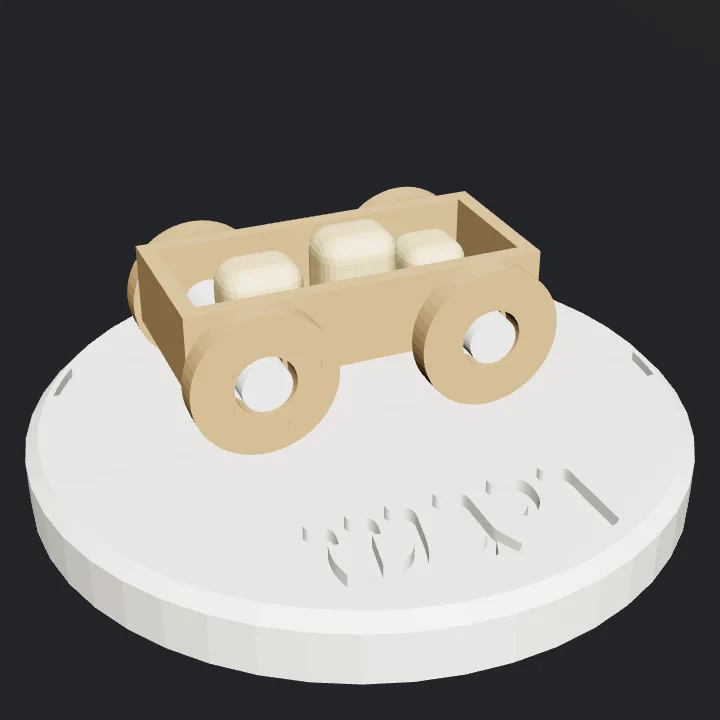 יא וַיִּגַּשׁ Vayigash · 45:19 Loading their own animals they could do alone; the wagons needed Pharaoh’s order
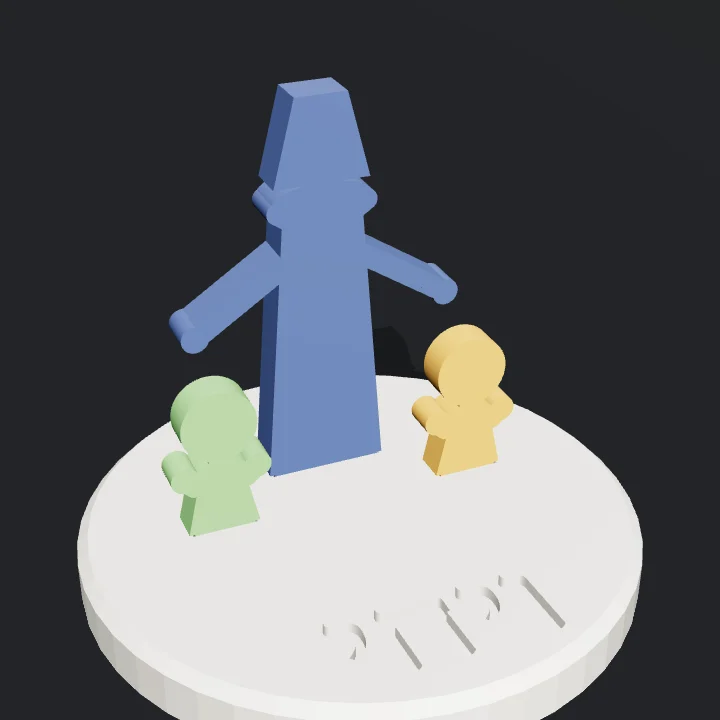 יב וַיְחִי Vayechi · 48:14 Sikel et yadav: he made his hands look foolish, as if they did not know
Shemot שמות
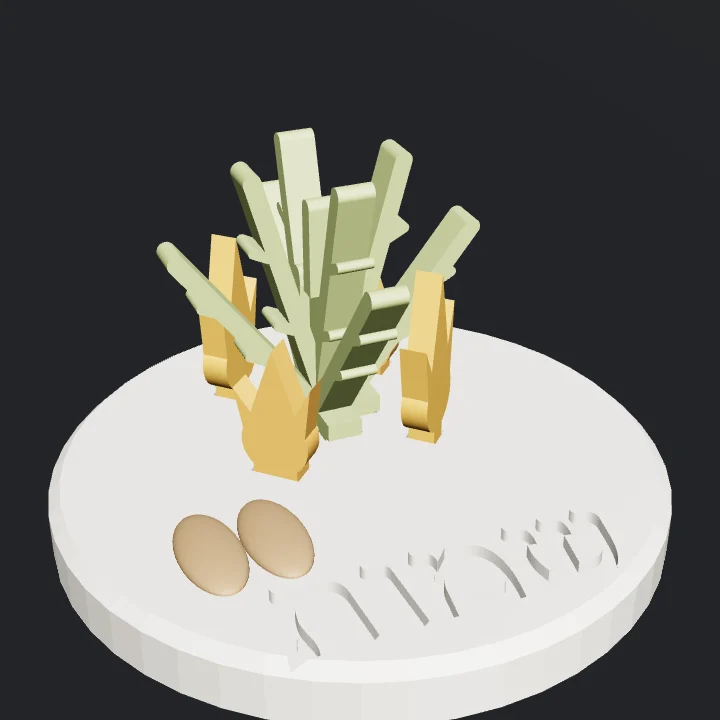 יג שְׁמוֹת Shemot · 3:2 The fire blazes among the thorns but never takes hold of them
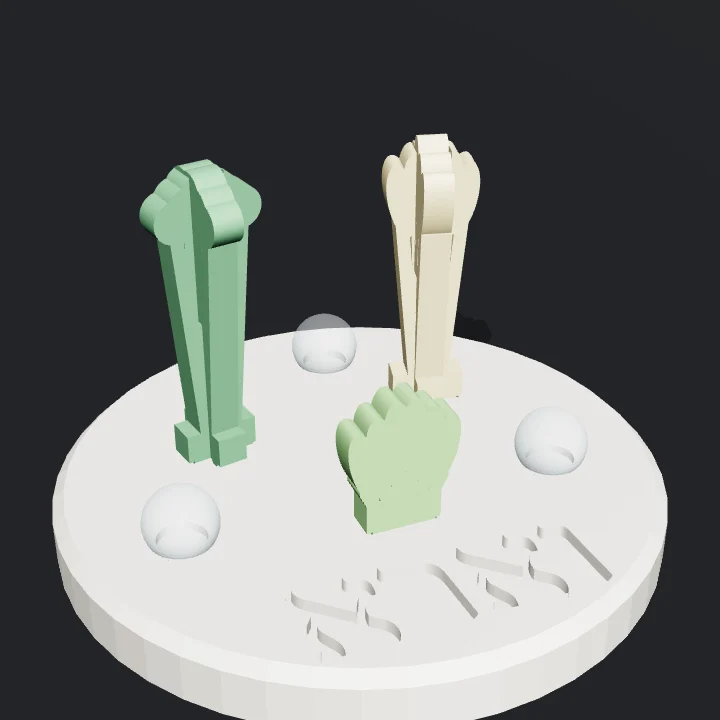 יד וָאֵרָא Va’era · 9:31 Giv’ol is the calyx: the flax was in closed bud when the hail came
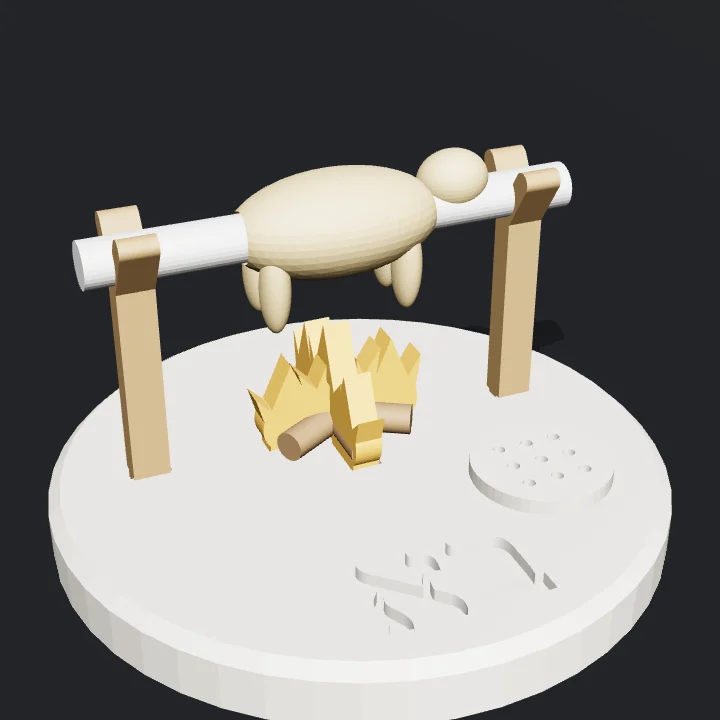 טו בֹּא Bo · 12:9 Not raw, not boiled: na is “raw” as in Arabic, and the lamb is roasted whole
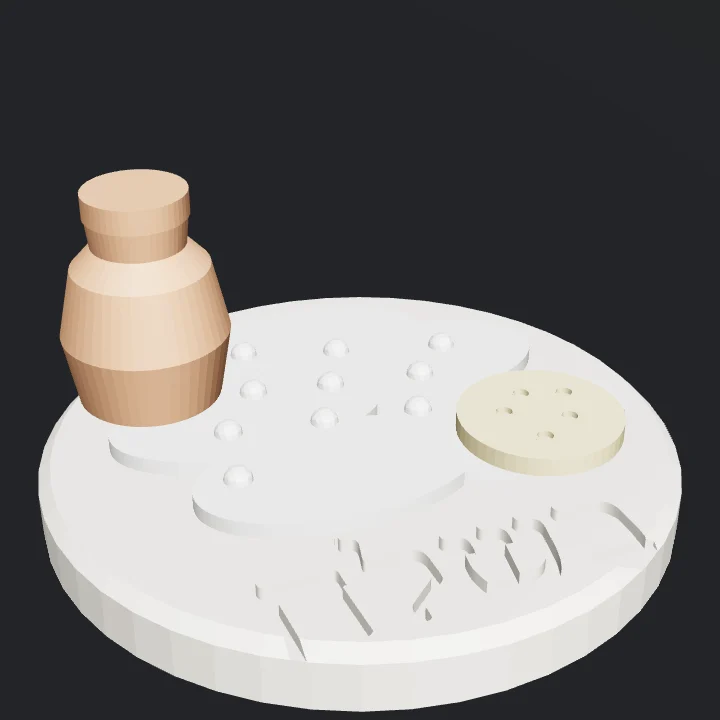 טז בְּשַׁלַּח Beshalach · 16:31 Coriander-seed shaped, white, and tasting like a thin honey wafer when eaten raw
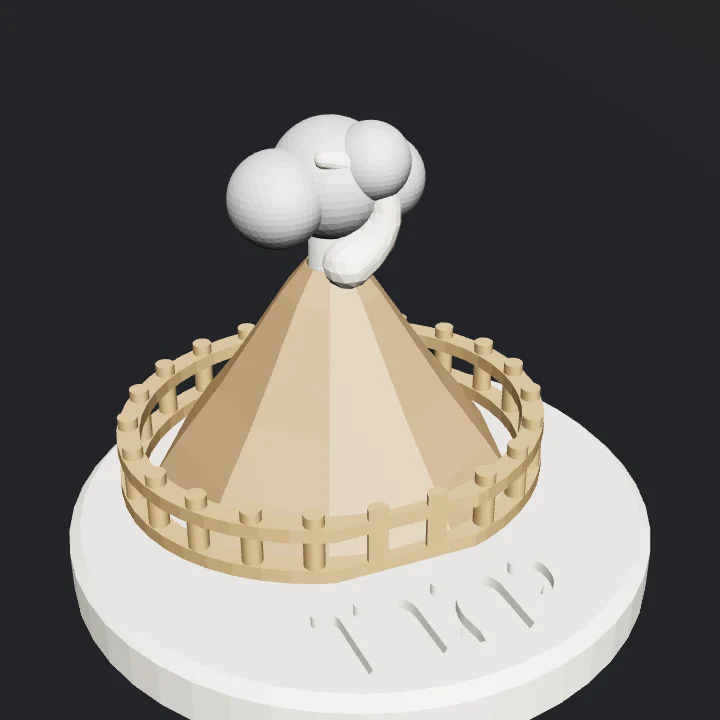 יז יִתְרוֹ Yitro · 19:13 When the horn sounds “they” may go up: said of the people, carried out by their leaders
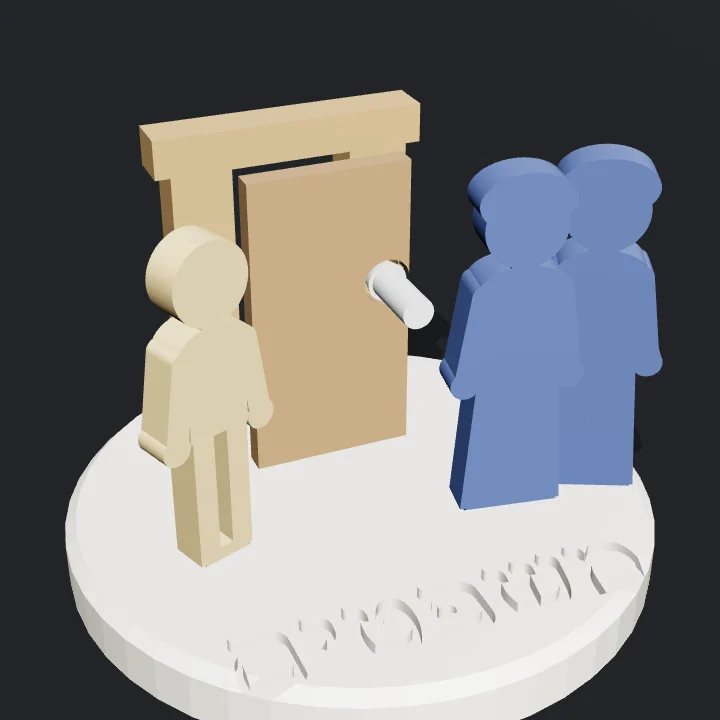 יח מִשְׁפָּטִים Mishpatim · 21:6 Before the judges, so the servant can’t later deny he chose to stay
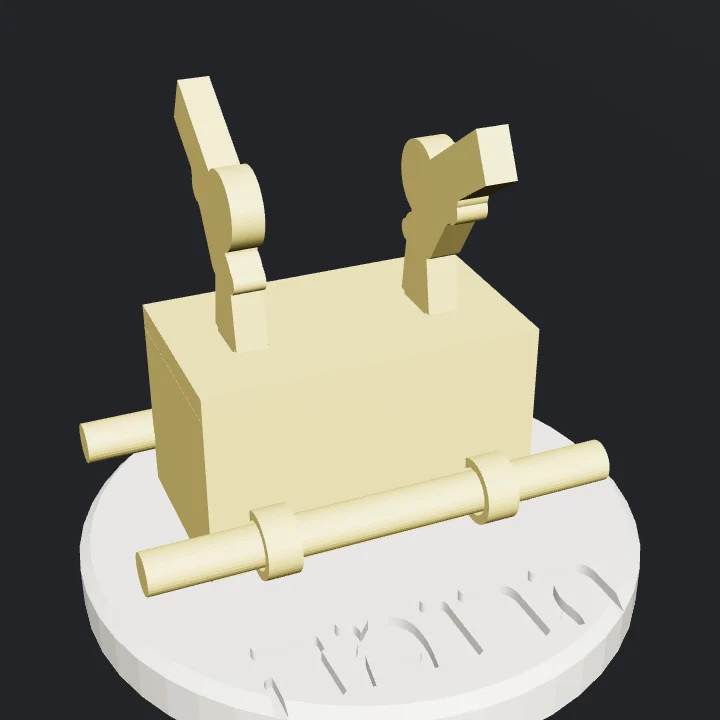 יט תְּרוּמָה Terumah · 25:18 Keruv is rechuv turned around: God’s chariot. Mikshah means solid, not hollow
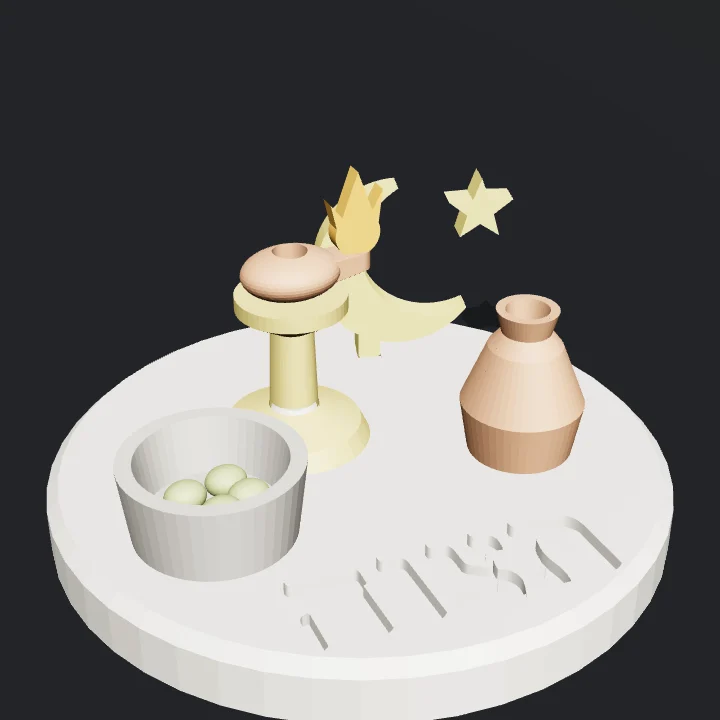 כ תְּצַוֶּה Tetzaveh · 27:20 “Crushed” describes the oil, not the olives; “always” means every evening, till morning
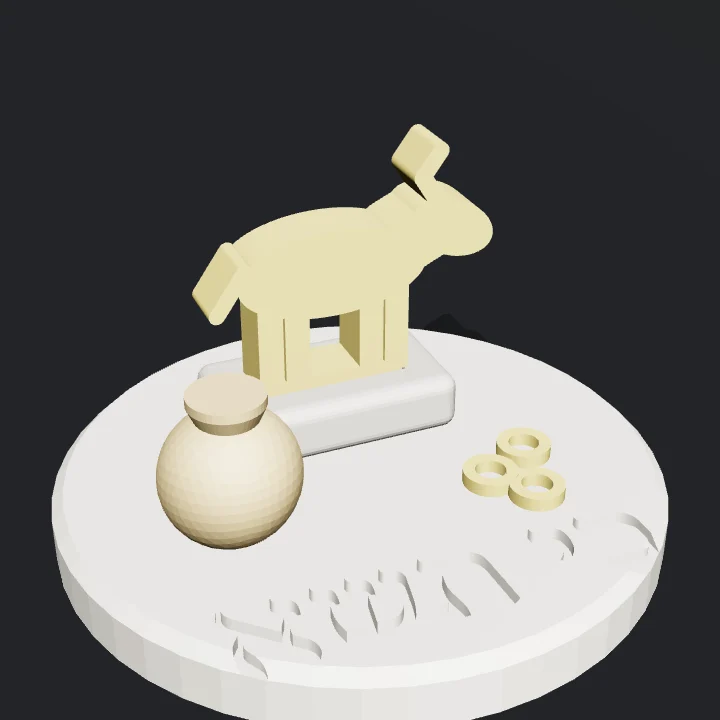 כא כִּי תִשָּׂא Ki Tisa · 32:4 The calf was meant as a leader in Moshe’s place, and cheret is a bag
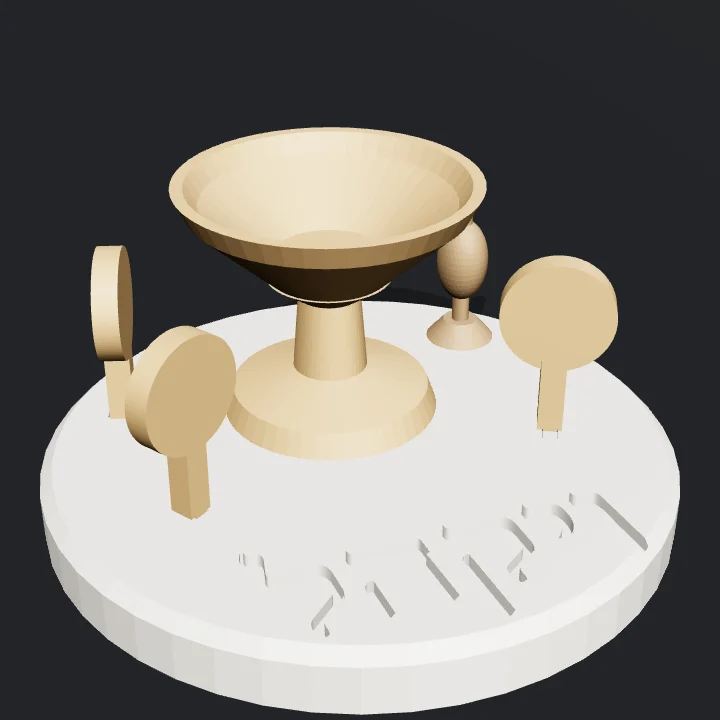 כב וַיַּקְהֵל Vayakhel · 38:8 Women who kept regular shifts of work at the tent gave their copper mirrors for the laver
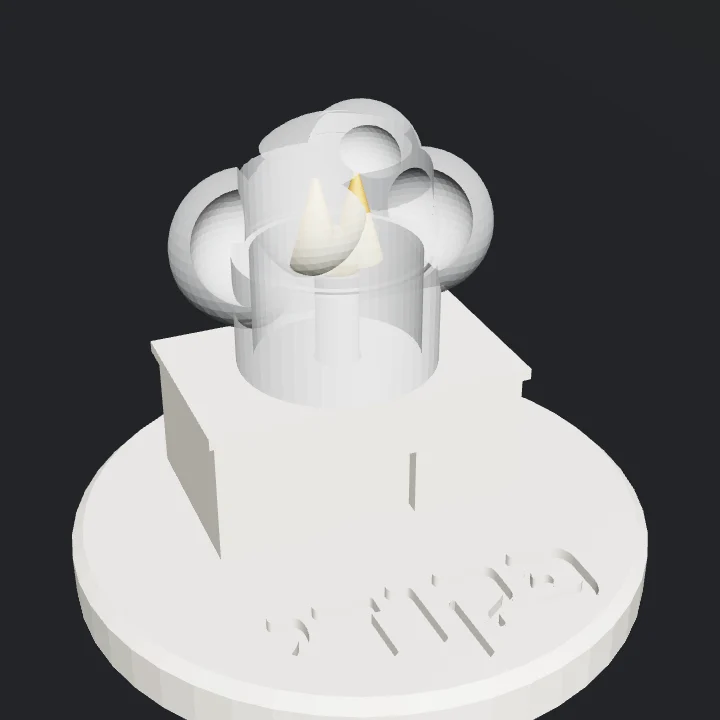 כג פְקוּדֵי Pekudei · 40:38 The cloud was there day and night; at night there was fire inside it
Vayikra ויקרא
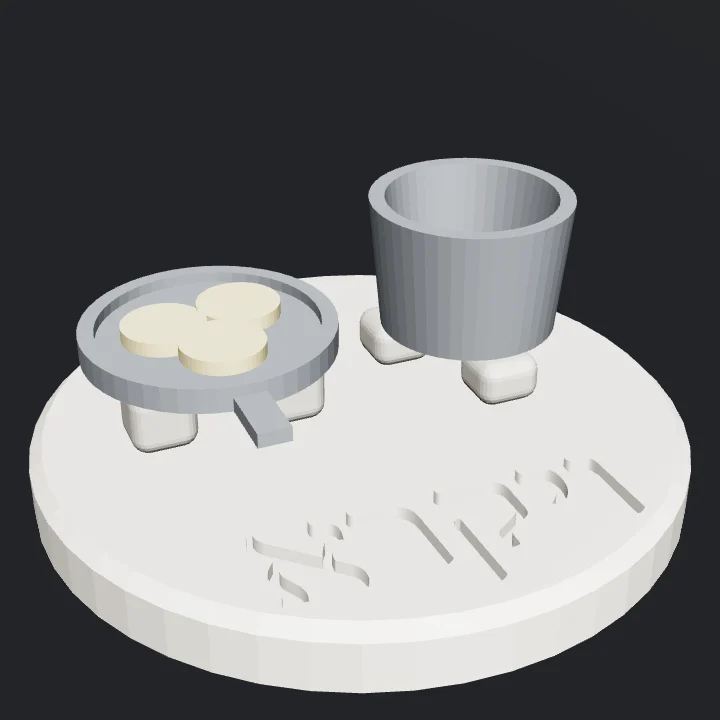 כד וַיִּקְרָא Vayikra · 2:7 The marcheshet is deep and the machavat flat: made in one, made on the other
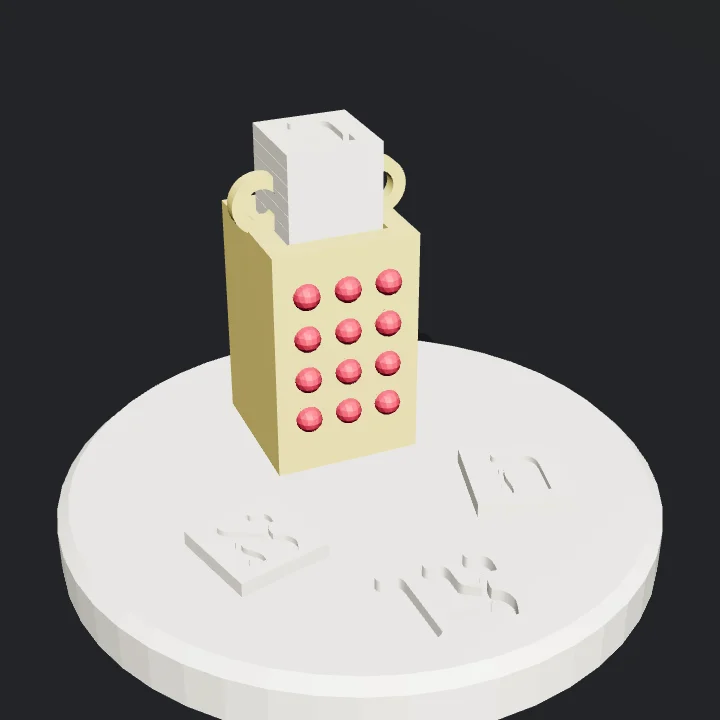 כה צַו Tzav · 8:8 The Urim and Tumim were 22 letter tiles, from alef (“ur”) to tav (“tam”)
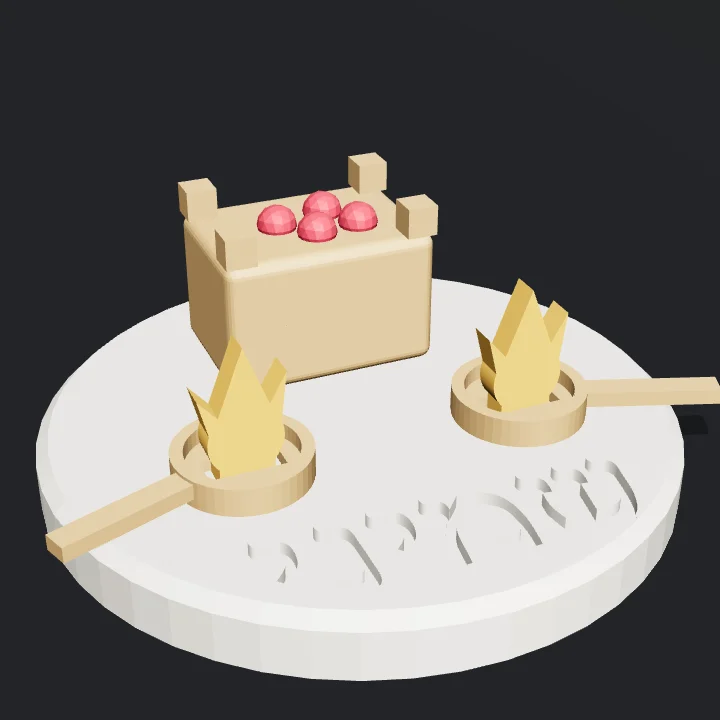 כו שְּׁמִינִי Shemini · 10:1 Not sure God’s fire would come for an offering no one asked for, they brought their own
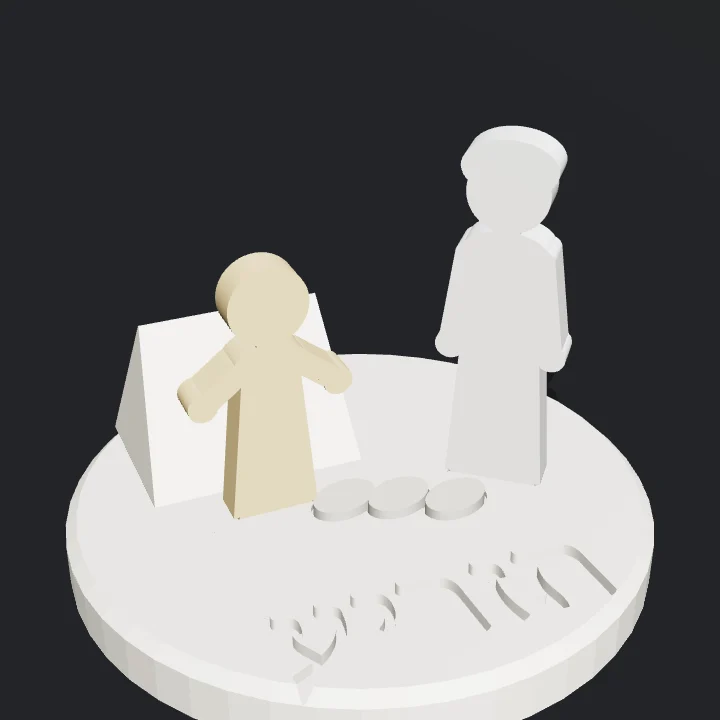 כז תַזְרִיעַ Tazria · 13:2 “He is brought to the kohen”: the matter is reported, and the kohen goes to the person
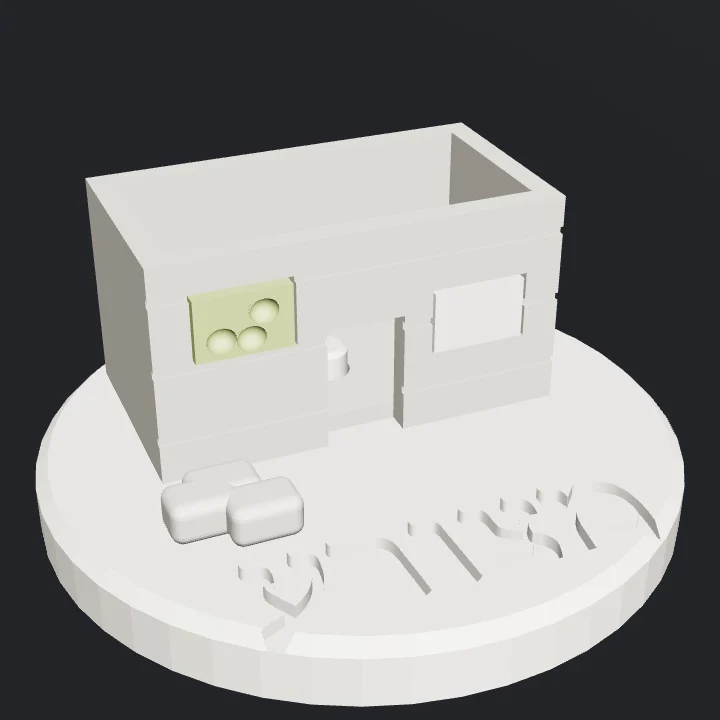 כח מְּצֹרָע Metzora · 14:37 Sheka’arurot are hollows: a house’s mark looks like pits sunk into the wall
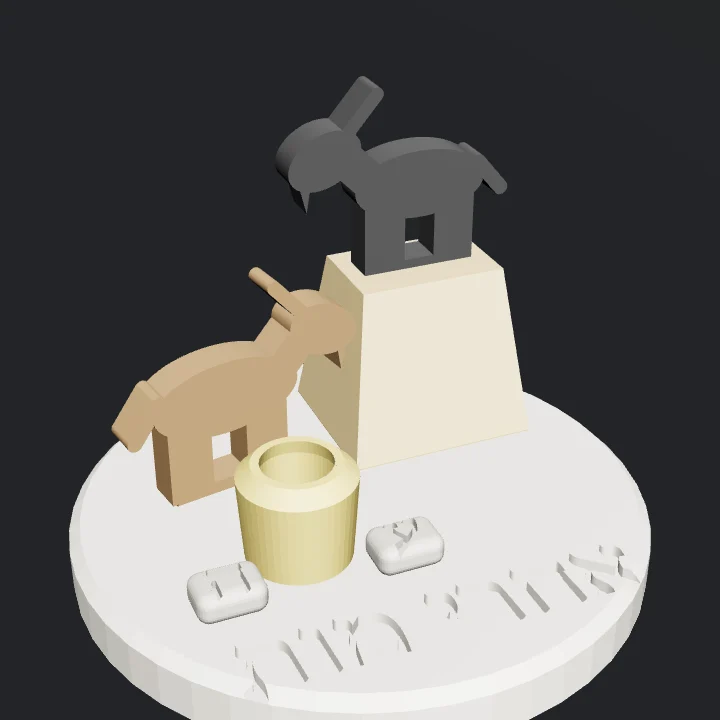 כט אַחֲרֵי מוֹת Acharei Mot · 16:8 The lots were stones, and the goat carried the sins off to a land cut off
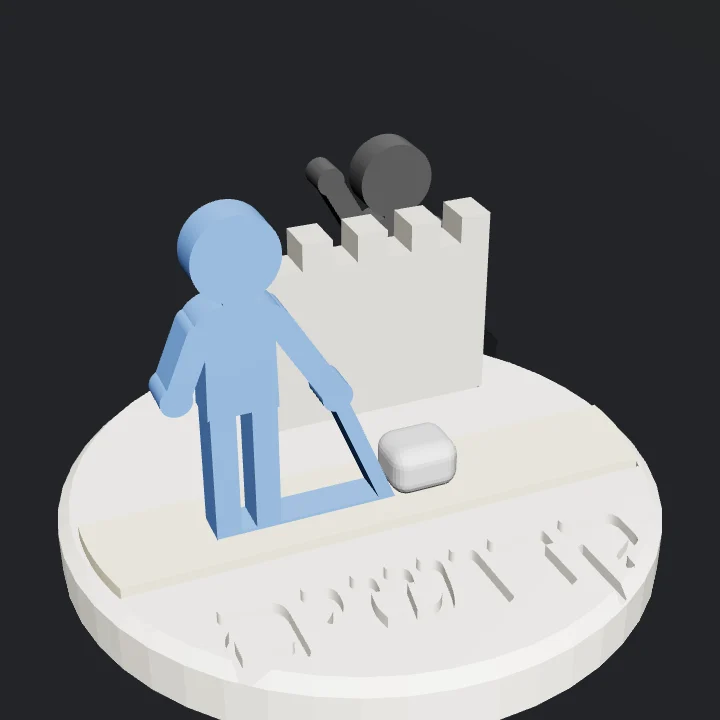 ל קְדֹשִׁים Kedoshim · 19:14 Don’t curse the deaf or trip the blind: a warning to whoever harms in secret
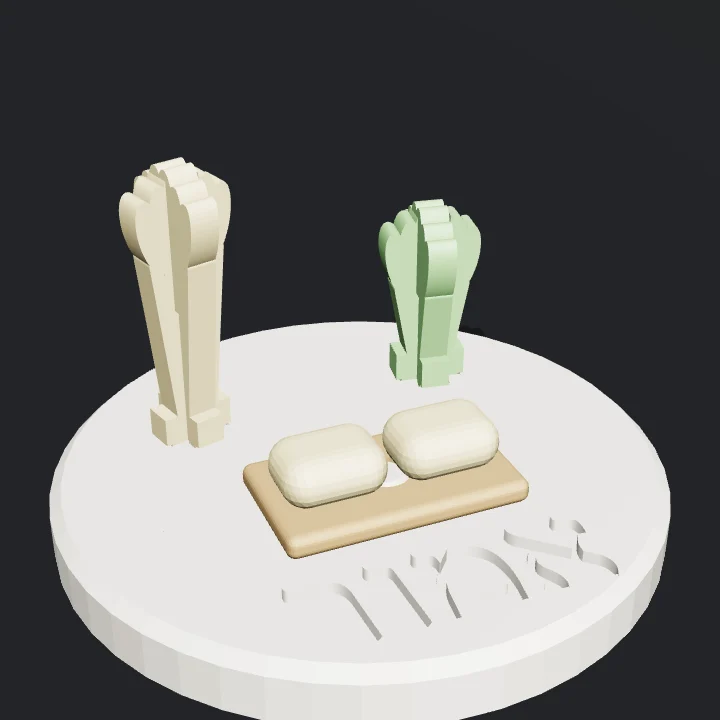 לא אֱמֹר Emor · 23:17 “From your dwellings”: from wherever in the land ripens first
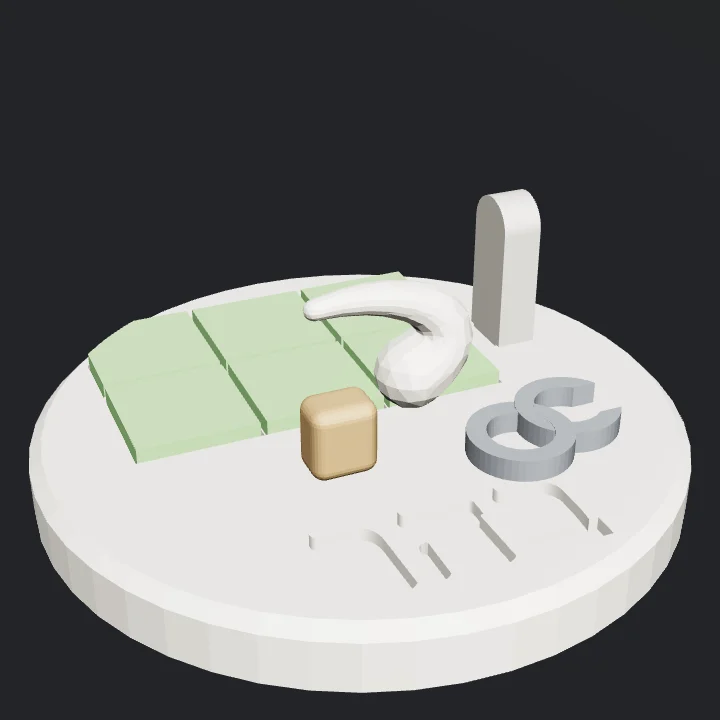 לב בְּהַר Behar · 25:10 Yovel was a pagan shout of joy; the Torah made the joy a release for the poor
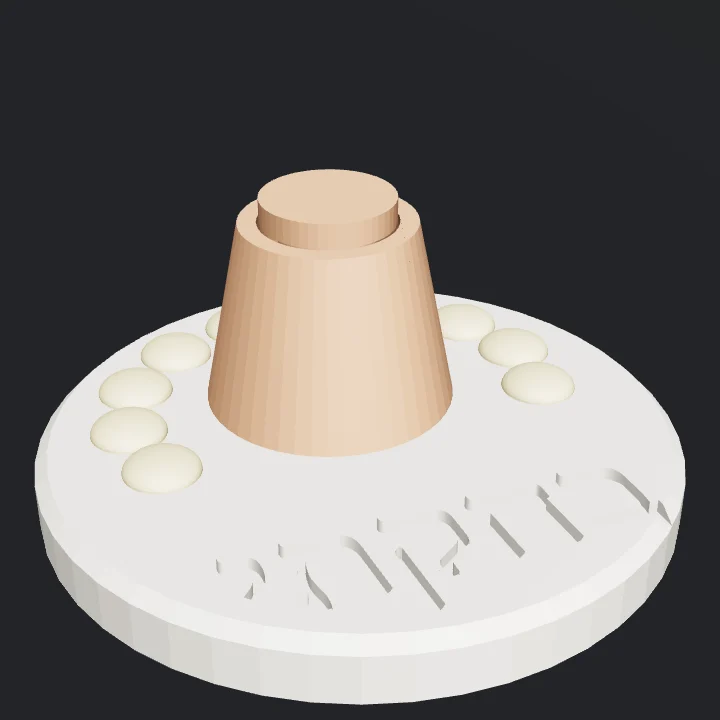 לג בְּחֻקֹּתַי Bechukotai · 26:26 Ten women baking in one oven: ten whole households sharing one oven’s bread
Bamidbar במדבר
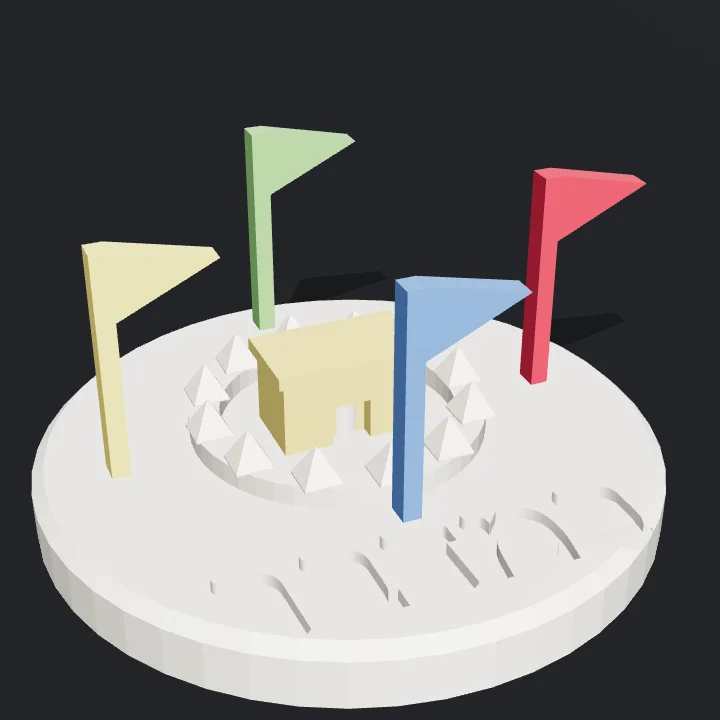 לד בְּמִדְבַּר Bamidbar · 2:17 The Ohel Moed travels inside the Levites’ camp, in the middle of the march
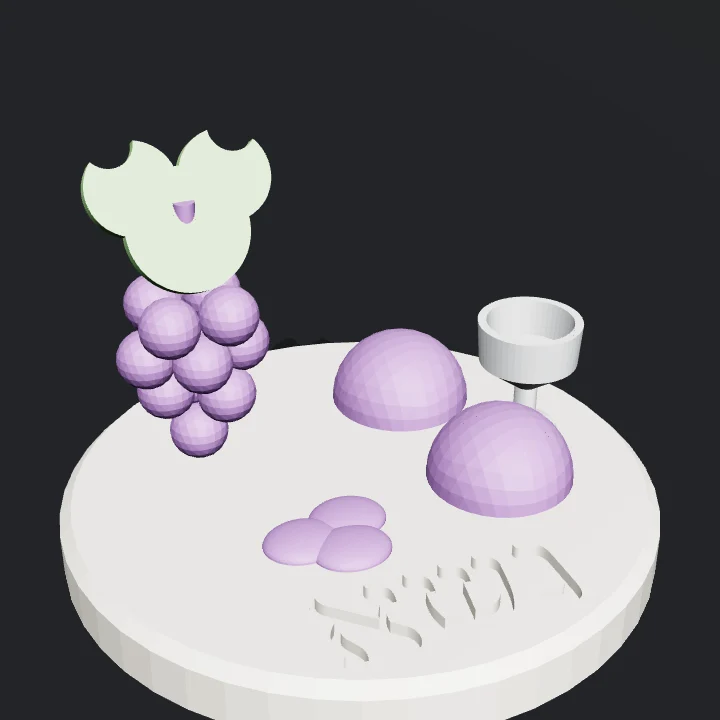 לה נָשֹׂא Naso · 6:4 Chartzanim are the pressed grapes, skin and all; zag is the pip inside
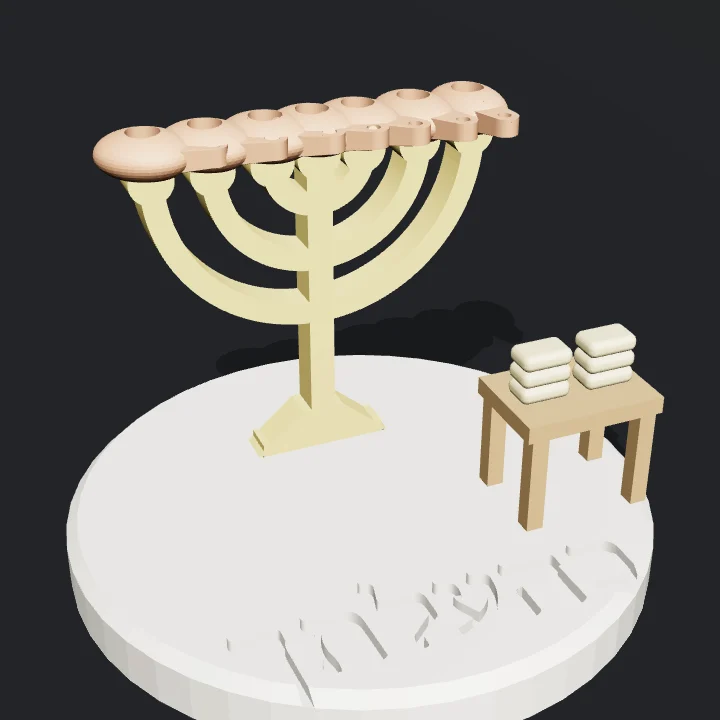 לו בְּהַעֲלֹתְךָ Beha’alotecha · 8:2 All seven wicks were turned to shine toward the table
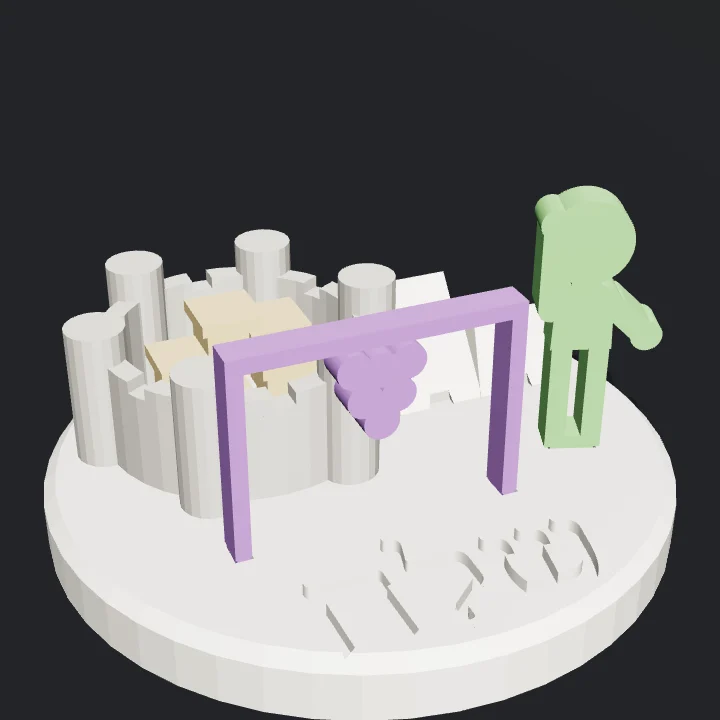 לז שְׁלַח־לְךָ Shelach · 13:19 Machanim are open towns that look like a camp, with no wall around them
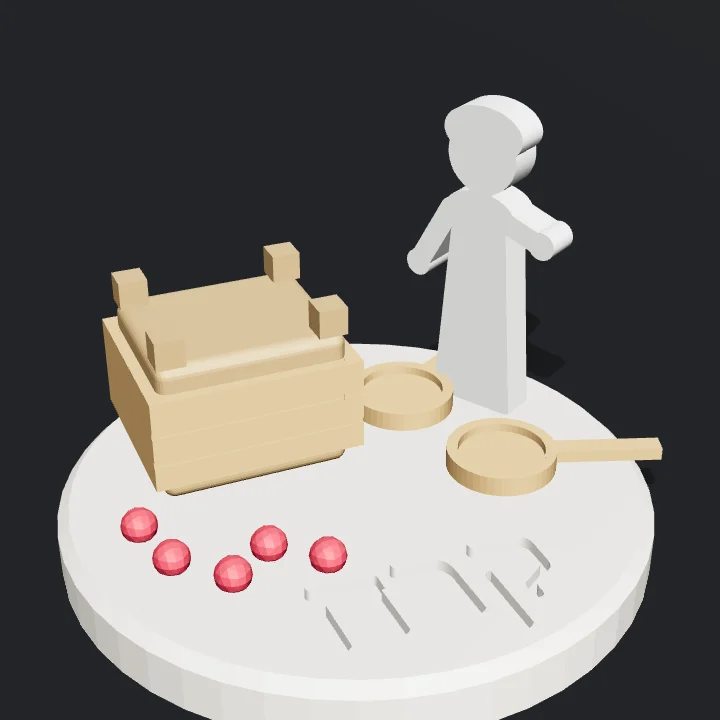 לח קֹרַח Korach · 17:2 Pull the pans from among the burnt, and scatter the fire away
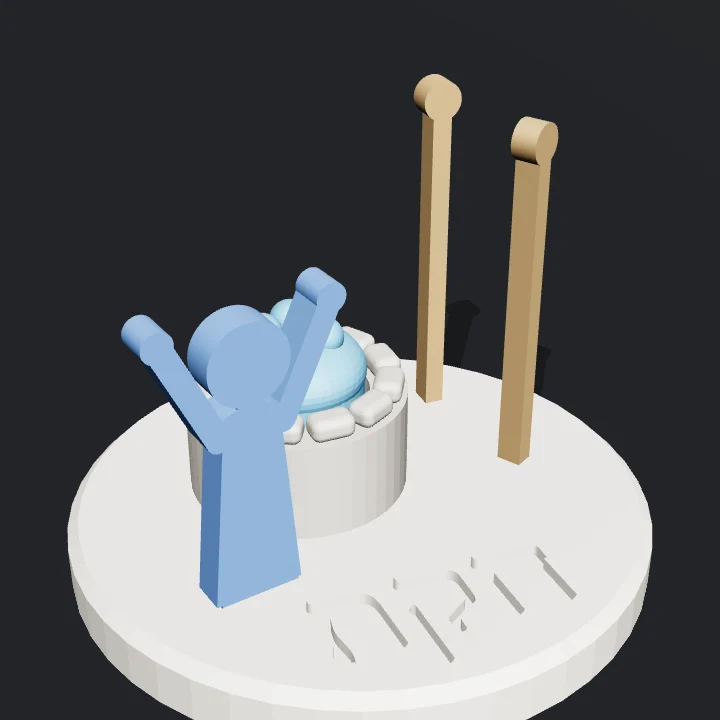 לט חֻקַּת Chukat · 21:17 “Sing to it”: say to the well in your songs, Rise, O well!
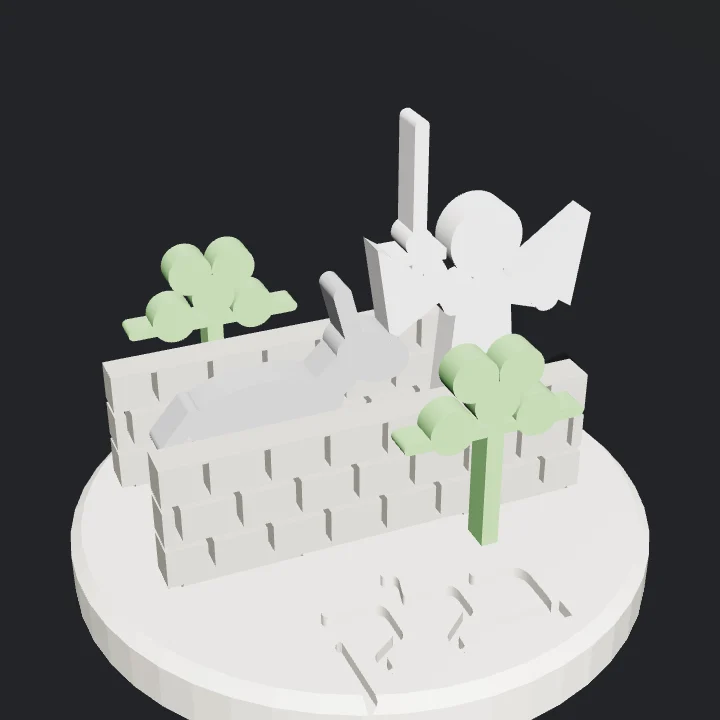 מ בָּלָק Balak · 22:24 A wall on each side of the lane, and behind each wall a vineyard
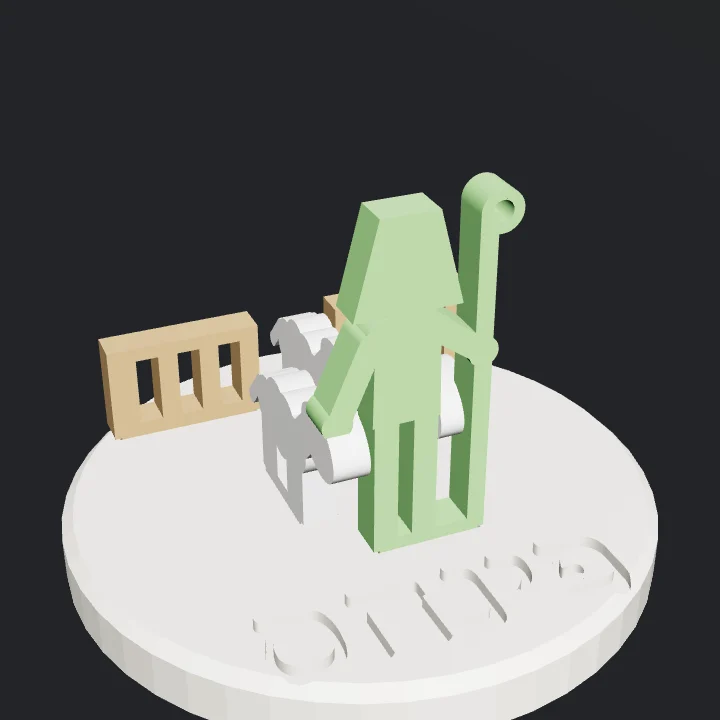 מא פִּינְחָס Pinchas · 27:17 Not just a figure at the head: one who actually leads them out and brings them in
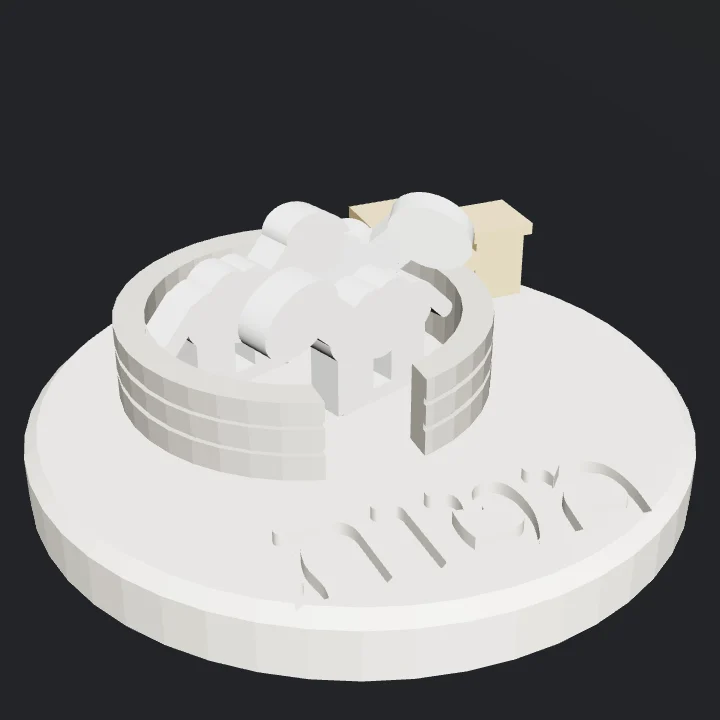 מב מַטּוֹת Matot · 32:16 They named the sheepfolds first because the livestock was what they cared about
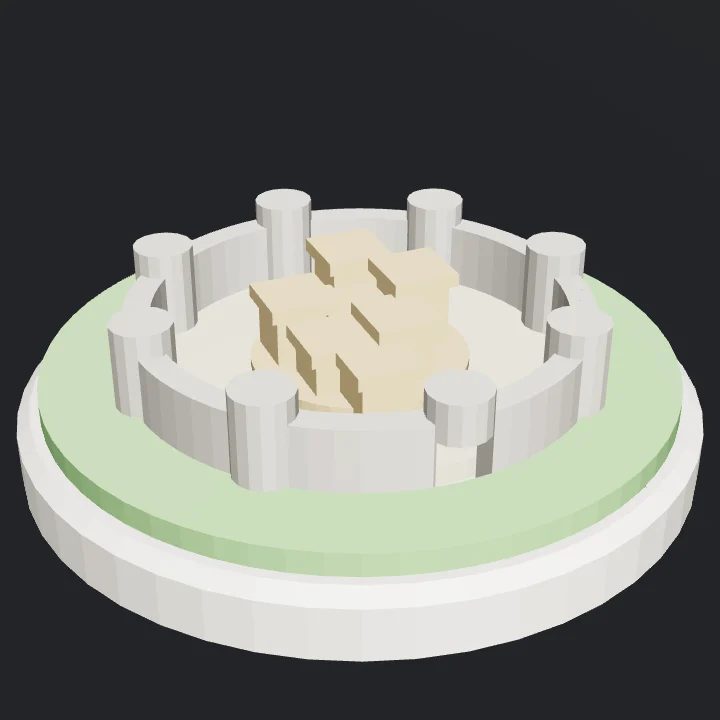 מג מַסְעֵי Masei · 35:4 A thousand cubits from the wall, two thousand from the houses: open ground inside the wall too
Devarim דברים
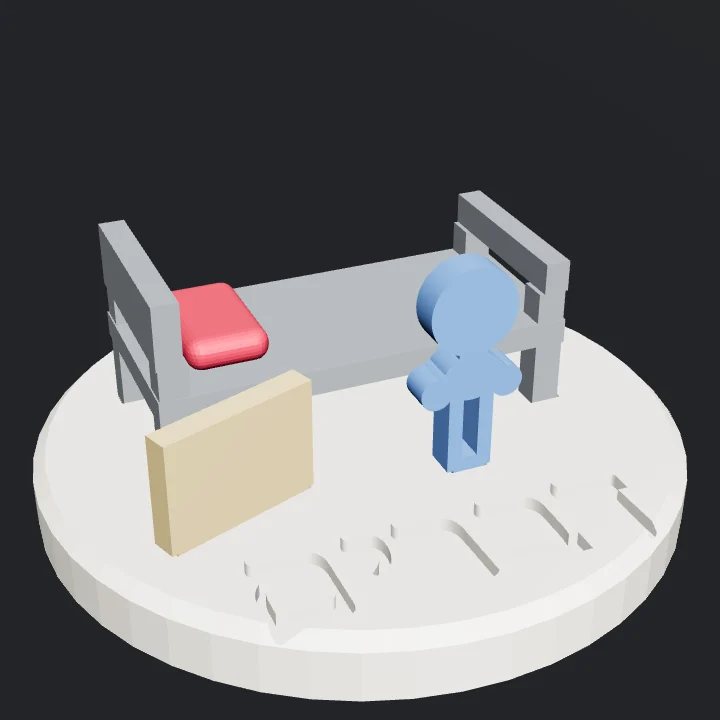 מד דְּבָרִים Devarim · 3:11 Og’s iron bed was kept in Rabbah as a trophy, and Moshe mentions it to give them courage
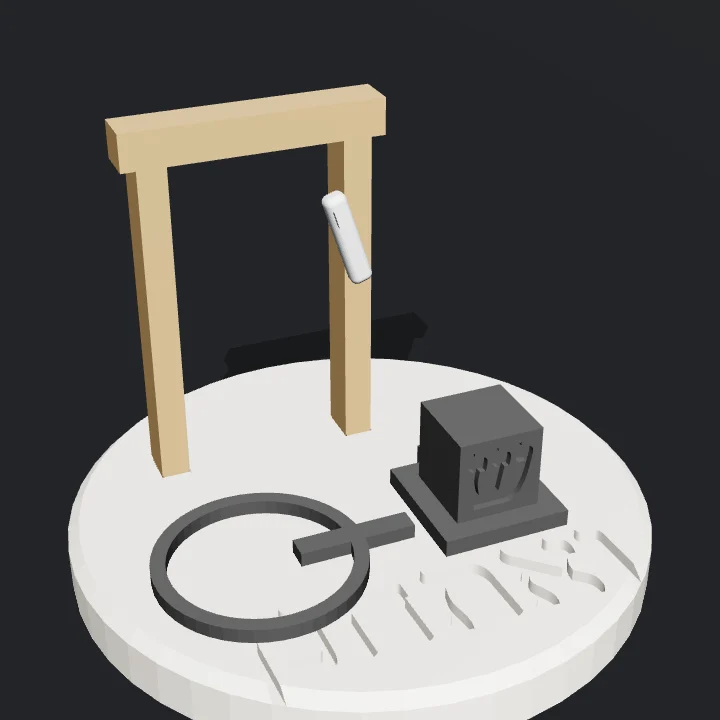 מה וָאֶתְחַנַּן Va’etchanan · 6:8 Writing on doorposts is literal, so binding on the arm can’t be a metaphor either
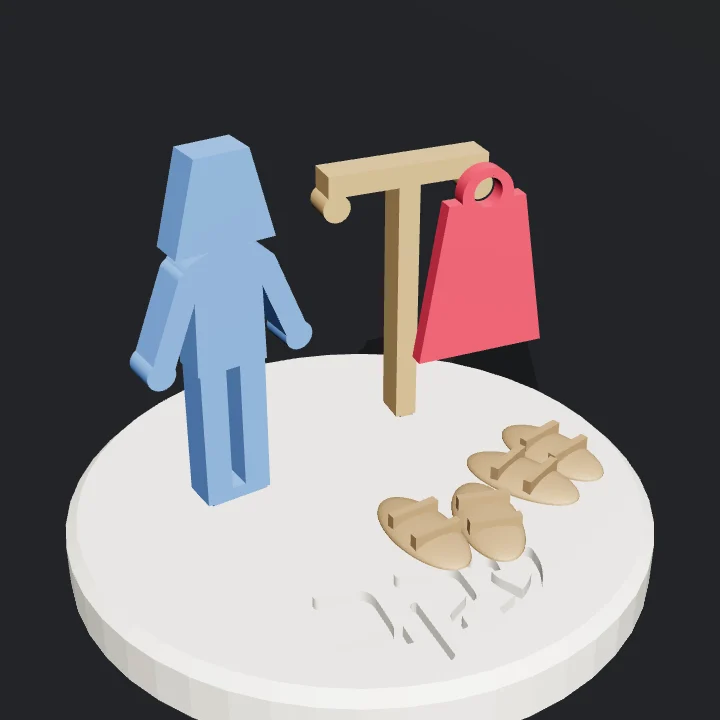 מו עֵקֶב Ekev · 8:4 No miracle: God gave them spare clothes and shoes to change into
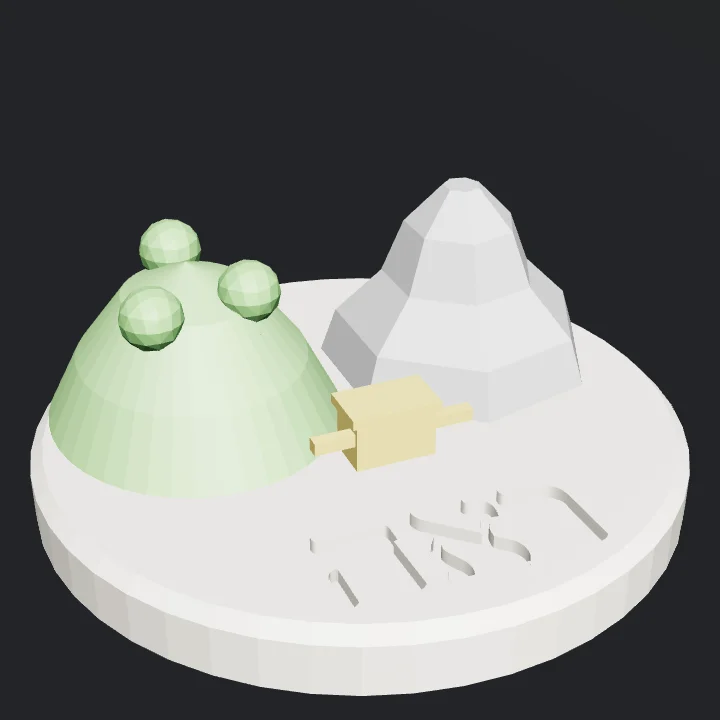 מז רְאֵה Re’eh · 11:29 Green Gerizim and bare Eival: every time they see them, they remember
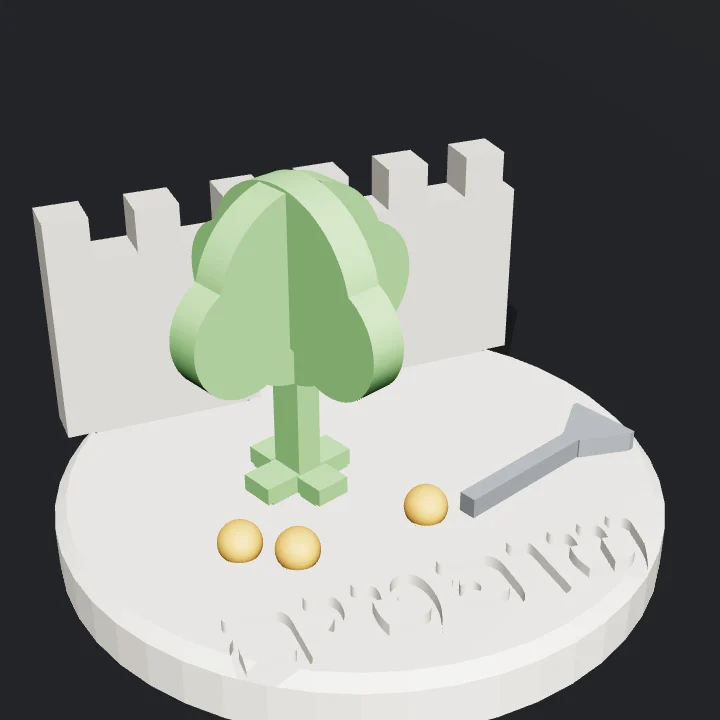 מח שֹׁפְטִים Shoftim · 20:19 Don’t cut down a tree you have eaten from: a lesson against ingratitude
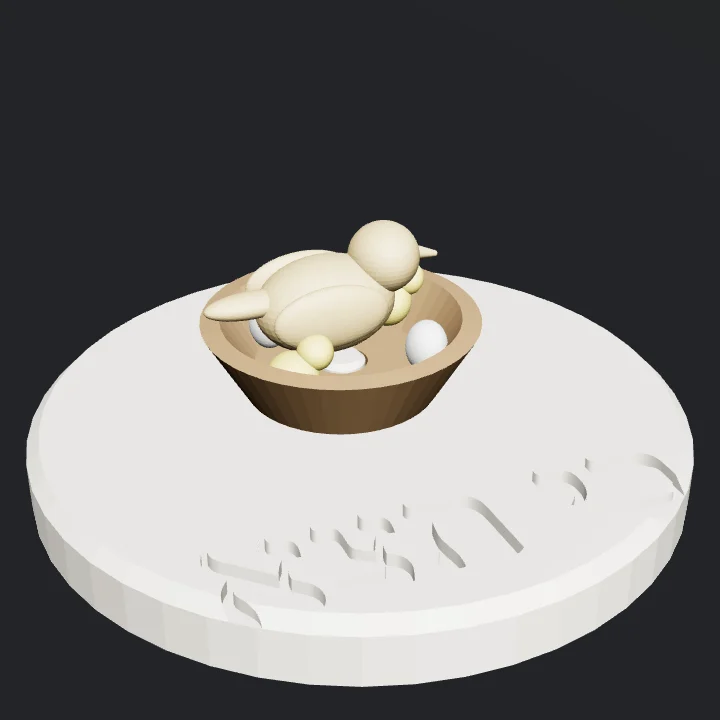 מט כִּי תֵצֵא Ki Teitzei · 22:6 She stays because she loves them; taking her would teach that compassion doesn’t pay
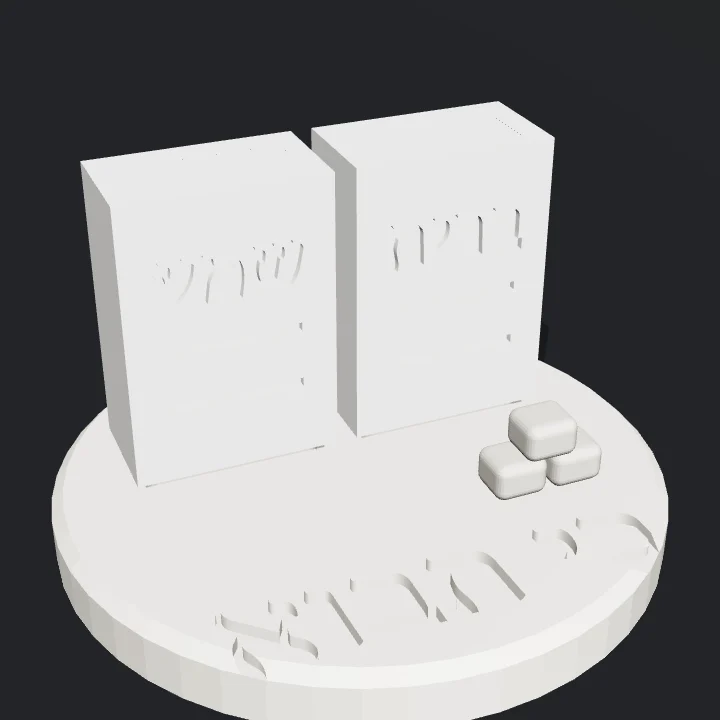 נ כִּי תָבוֹא Ki Tavo · 27:2 The Torah was written on the plaster, not carved in the stone: it was for that day
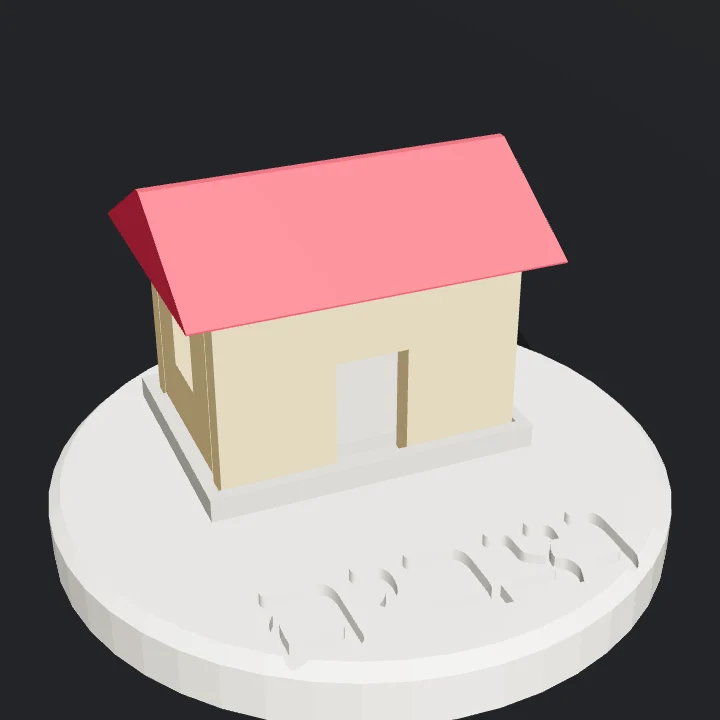 נא נִצָּבִים Nitzavim · 30:3 Shevut is from shuv, not shevi: putting someone back as they were
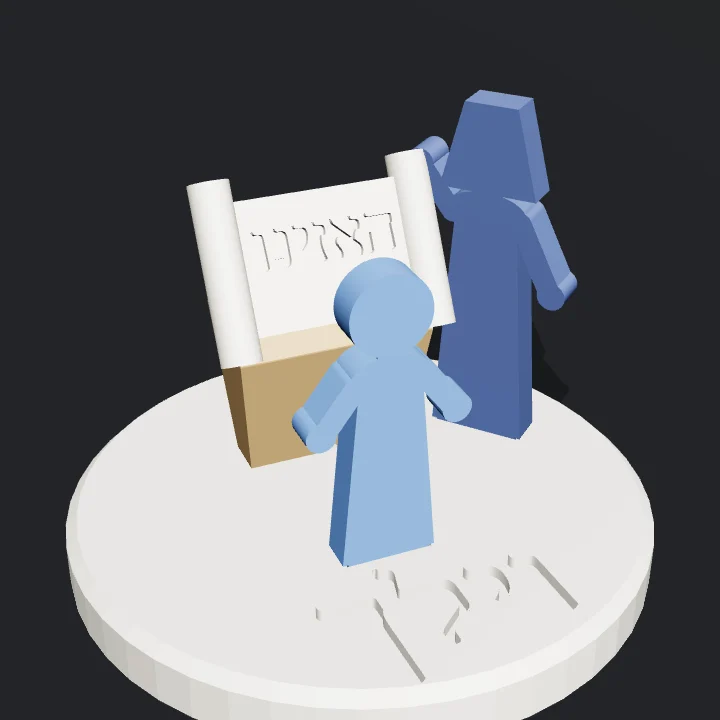 נב וַיֵּלֶךְ Vayelech · 31:21 The song testifies before them: a witness here means a reminder that they were warned
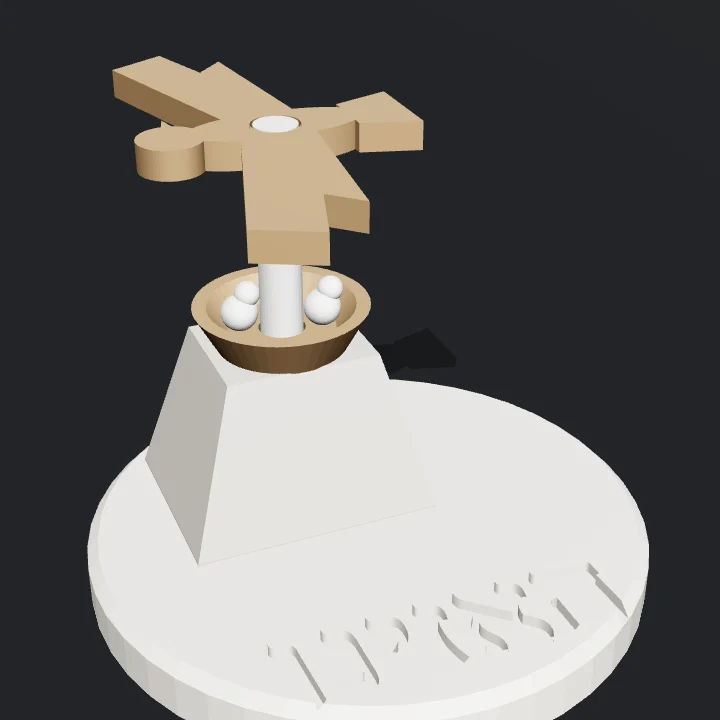 נג הַאֲזִינוּ Ha’azinu · 32:11 The eagle stirs its nest gently to move it, and keeps hovering over its young
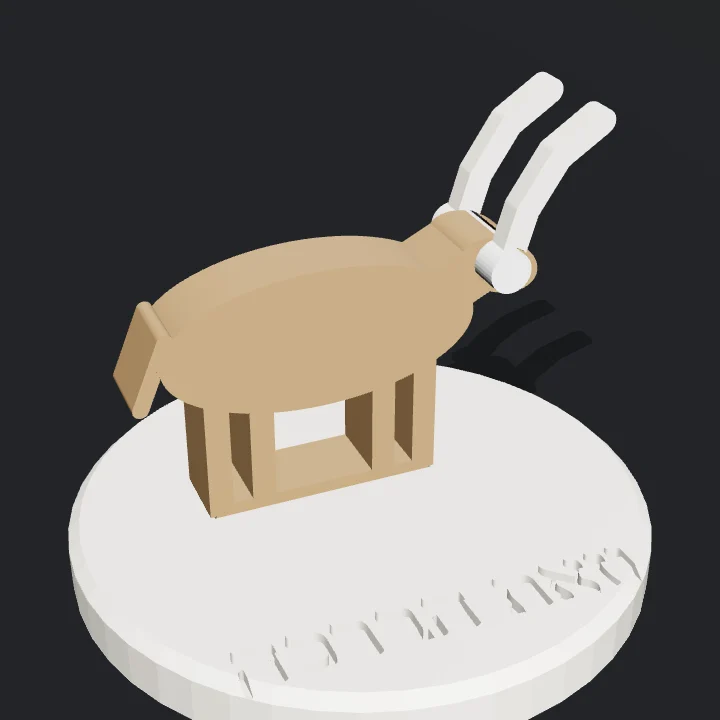 נד וְזֹאת הַבְּרָכָה Vezot Haberachah · 33:17 The firstborn ox is not Yehoshua but Yosef himself, and his horns are Ephraim and Menashe
Printing them
Settings
PLA, 0.4 nozzle, 0.2 mm layers, 15% infill, no supports. Every part is already turned onto its print face. Open the plate 3MF and slice: it is laid out for the A1 mini’s 180 mm bed.
Colours
The 3MF has a colour on each part, so with an AMS you match them to your spools. Without one, print a colour at a time from the STLs. A few details are second colours on the same part (the rain under the firmament, the stones on the choshen, the flame on the lamp), or paint them.
Fit
Pins are Ø3 mm in Ø3.3 holes and slots have 0.15 mm each side, the same as the Ten Plagues: a firm push fit on a tuned A1 mini. Two-piece bushes, trees and flames slot together at right angles. Don’t rescale a kit, or the pins stop fitting.
Times and grams are rough estimates at Bambu default speeds; the slicer has the final word. Shadal’s commentary is quoted from the Padua first editions on Sefaria; the English summaries are mine.